What is Structural Integration?
Structural Integration was originally developed in 1971 by biochemist, Dr. Ida Rolf. This bodywork system uses soft tissue therapy and posture education to correct imbalances and realign the body. This relieves pain and motion restrictions by freeing up the connective tissue and allowing bones and joints to work as structurally intended. Most bodies have a posture that is bound up in fleshy disorders and tensional misalignments.
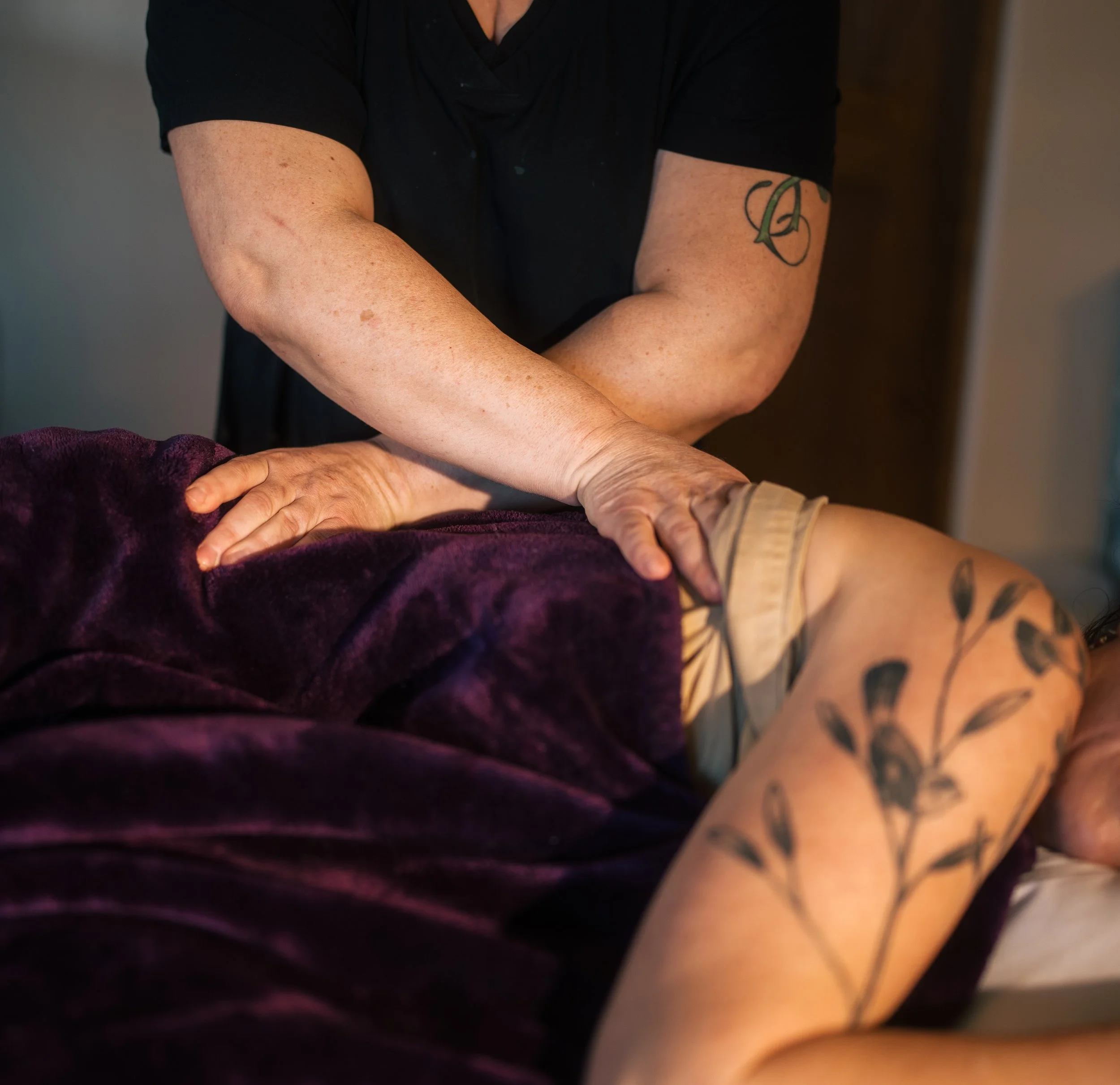
Structural Integration is more than a Massage.
Structural Integration is a series of 10, semi clothed and oil free treatments. The treatments involve active stretches and somatic release. The work takes place in sitting, standing, side lying, face down, and face up positions. Working from the surface layers to deep, it’s a systematic realignment of the body segments that lasts. We are facilitating your body in freeing itself from tensional, structural, and fleshy disorders. The result is that you get to experience of living in an organized human body that can move and breathe easily/ergonomically in gravity. Your mood, energy, fitness level, system health, and quality of life will improve.
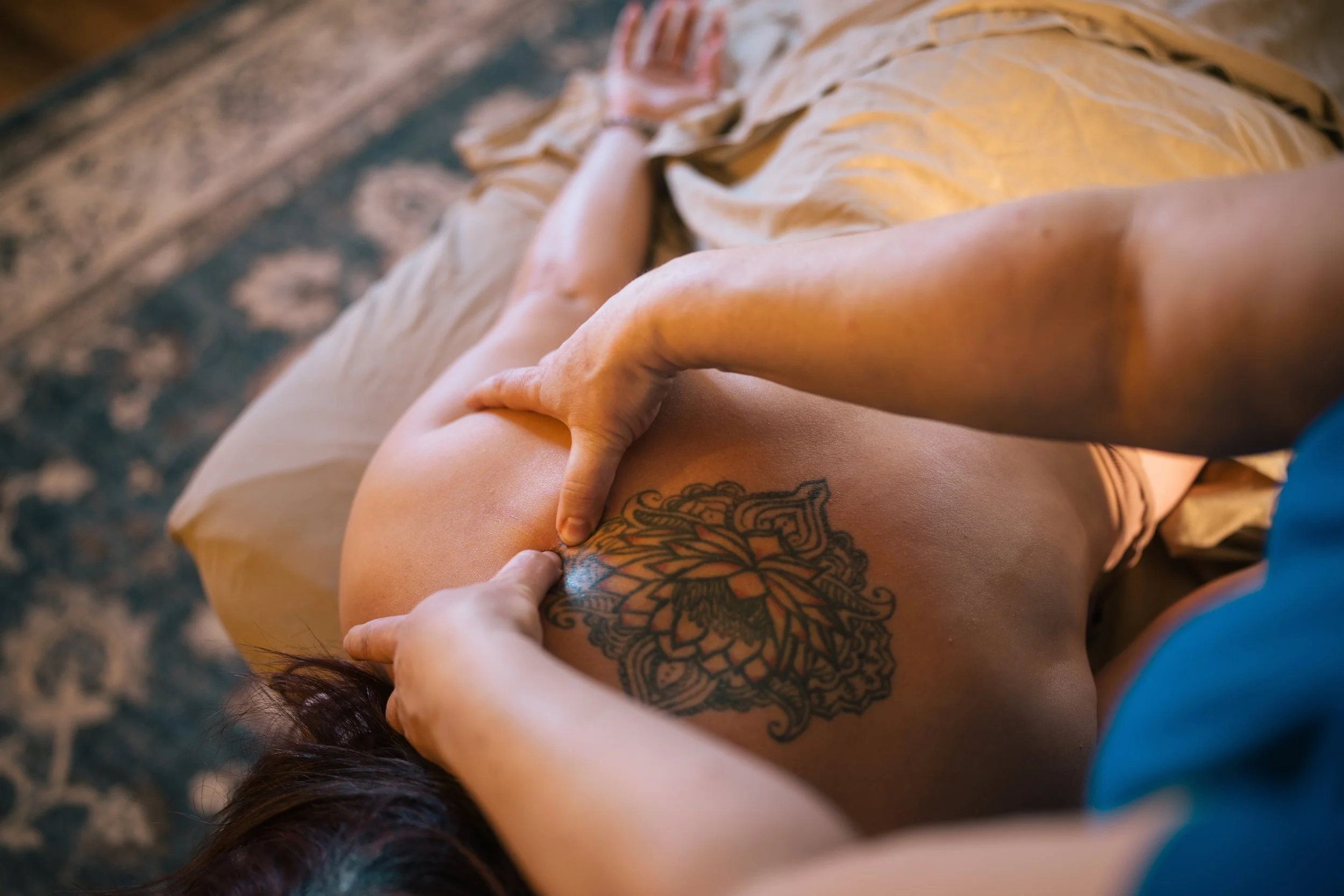
Are you fighting a losing battle with gravity?
The problem most of us encounter is that we are fighting a losing battle with gravity and time. We find ourselves with pains that we cannot get rid of that were not there when we were younger. The reason being that we are stuck in a posture, which implies that something has been placed or forced into an alignment that it does not belong in and your body. You then grow into this misalignment and eventually develop any number of chronic and acute pains.
Structural Integration 10 Series Overview
Session 1 – Beginning the Journey: working on increasing breathing throughout the body and creating space for your internal body to function better.
Session 2 – The Ground: working on increasing support in the feet and increasing communication between the hips, knees, and feet.
Session 3 – The Bridge: working on the ribcage and increasing it capacity to breathe. Straighten the upper body form the forward/backward tipping. Increase communication between core and upper body.
Session 4 – The Core: working on increasing core support and alignment. Freeing the psoas and rectus abdominus to help range of motion in hips, balance hips.
Session 5 – Upward Orientation: working on core support and relationships with other segments of the body. Work on the lumbars to increase ergonomic movement of abdominals.
Session 6 – The Back: work on spinal, hip, and sacrum alignment and orientation.
Session 7 – Crowning: working on head, neck, face, intraoral, sternum, and shoulders to correct the positioning of the head. It should sit in alignment with your pelvis, not in front of it.
Sessions 8, 9, and 10 – Closing: tie up the loose ends and integrate the segments of the body with each other.